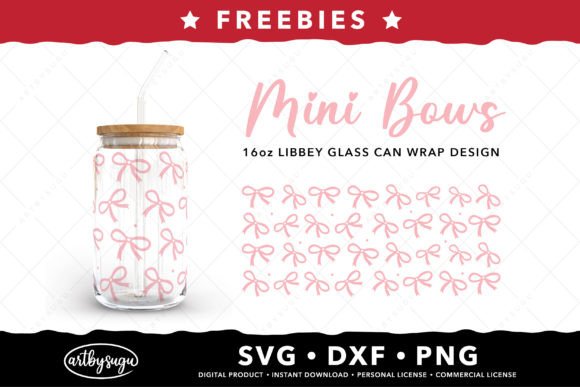
Mini Bows Libbey Can Glass Wrap Freebies Review
A Designer’s Perspective on Real Project Use
When I first downloaded the Mini Bows Libbey Can Glass Wrap Freebies, I was drawn to its whimsical charm and clean composition. This machine embroidery design is a standout in the world of digital freebies, offering a fresh take on how to elevate everyday items with subtle elegance. The motif features delicate bows wrapped around a stylized glass can shape—perfect for adding a touch of class without overwhelming the fabric.
Right out of the box, the zip file delivers what it promises: one SVG file, one DXF file, and one PNG file. All watermarks are removed upon purchase, which makes it ideal for both personal and commercial projects. As an experienced designer and reviewer, I always appreciate transparency and usability in digital embroidery assets, and this set checks those boxes nicely.
Visual Personality and Design Mood
The Mini Bows Libbey Can Glass Wrap design has a soft, vintage-inspired aesthetic that feels like it belongs in boutique-style branding or personalized gift lines. It's not overly complex, but the attention to detail in the bow shapes and the curvature of the can gives it a polished look. The layout is symmetrical and balanced, making it versatile enough to be placed centrally or as part of a larger composition.
I could see this design fitting well into a range of handmade products—from baby clothes to custom sweatshirts. Its visual personality is gentle and refined, so it works especially well if your project aims to evoke warmth, nostalgia, or a sense of curated style.
Real-Life Embroidery Applications
As someone who regularly creates designs for clients, I like to test embroidery files in real-world scenarios. Let’s imagine using this embroidery file on a custom tote bag for a local artisan shop. The Mini Bows motif adds a decorative flair that doesn’t distract from the product’s functionality. When stitched onto cotton canvas or quilting weight fabric, it looks crisp and professional, suitable for both retail display and customer use.
For sweatshirt embroidery, the design would work beautifully on the front chest area. The satin stitch outlines of the bows give a smooth finish that complements the softness of the garment. On darker-colored sweaters, thread color contrast becomes key—using light threads ensures the design remains visible and impactful.
In a baby clothing line, such as onesies or rompers, this design could serve as a subtle yet charming accent. The simplicity of the motif means it won't clash with other elements, while the rounded shapes are gentle on little ones' skin. However, I’d recommend placing it away from high-stretch areas to maintain stitching integrity.
Another great application is as an embroidered patch. Whether sewn onto denim jackets, backpacks, or even aprons, the design brings a cohesive, handcrafted feel. For commercial embroidery purposes, like creating small shop merchandise or branded gifts, the consistent structure of the design helps maintain brand recognition across multiple products.
Design Considerations for Different Projects
- Tote Bag Design: The Mini Bows motif sits neatly within a medium hoop size, adding a focal point without being too busy.
- Holiday Gifts: Imagine embroidered tea towels or pillow covers for Christmas or Mother’s Day. The design feels festive yet elegant, perfect for giftable handmade items.
- Nursery Decor: With slight adjustments in thread colors, this design could be reimagined as part of a themed collection for baby nurseries.
- Cap and Hat Embroidery: While possible, curved surfaces require careful alignment and testing. Stitch density may need adjustment for best results.
Where to Use Carefully
Though the Mini Bows Libbey Can Glass Wrap design is visually appealing, there are certain situations where it needs more consideration before stitching:
- Small Hoop Sizes: The design’s proportions might not translate well in very tight spaces. Always check fit before finalizing placement.
- Textured or Stretchy Fabrics: These can distort the smooth curves of the bows, so opt for stable, non-stretch materials when possible.
- Thin or Delicate Fabrics: The satin and fill stitches used in the design could pucker or cause stress on lightweight textiles.
- Dark Fabric Backgrounds: Thread color choice becomes critical here. A black background may require white or metallic threads for visibility.
- Curved Surfaces: Caps or hats may require resizing and adjusting the stitch direction to avoid distortion.
- Frequent Washing Items: Designs with dense stitch areas might fade faster over time. Use quality thread and consider reinforcement if needed.
It’s also worth noting that intricate corners or tiny details in the bow should be tested on scrap fabric before committing to a final piece. A simple mistake in tension or stabilizer choice can compromise the overall appearance of the finished product.
Thread Color Suggestions and Fabric Compatibility
Because the design lacks specific thread count information, I suggest experimenting with a few different color combinations. If you're aiming for a classic look, try two to three shades of pastel tones. For a bolder statement, use contrasting colors like red and gold or navy and silver.
Testing on various fabrics is essential. Cotton blends tend to hold up best, but if you're working with linen or flannel, adjust stabilizer usage accordingly. Always review the stitch density settings in your software to ensure compatibility with your chosen fabric type.
Impact on Product Value and Customer Perception
Using the Mini Bows Libbey Can Glass Wrap Freebies elevates the perceived value of any handmade item. Its clean lines and graceful form contribute to a professional finish that customers notice and appreciate. In my experience, subtle, well-executed embroidery often leads to better customer trust than overly complicated designs.
This design can enhance brand consistency for craft businesses by serving as a recurring visual element. For Etsy sellers or small shop product creators, it offers a unique way to stand out in a crowded marketplace. It’s also highly adaptable for printable mockups, helping digital product sellers showcase their offerings effectively online.
As a personalized gift option, the design feels thoughtful and intentional. Adding names or dates near the motif could turn it into a memorable keepsake. But again, always test the design on fabric first to ensure clarity and durability after repeated washing.
Practical Designer Notes for Using the Design
- Test the design on scrap fabric to evaluate stitch behavior and overall look.
- Review the thread color contrast against your chosen fabric to ensure visibility.
- Check the hoop size requirements, as they’re not explicitly stated. Adjust as needed for your machine.
- Inspect the detail level, particularly in the bow knots and can edges, to confirm they will stitch clearly.
- Create black and white mockups to assess how the design translates without color.
- Compare how the design appears on light and dark backgrounds to understand its versatility.
- Use appropriate stabilizer to prevent puckering, especially on stretchier or textured materials.
- Confirm whether the design is suitable for commercial embroidery or digital product sales before using it in revenue-generating projects.
- Always double-check the licensing terms to avoid legal issues when selling finished goods or digital downloads.
Final Thoughts from a Practitioner’s View
The Mini Bows Libbey Can Glass Wrap Freebies is a solid addition to any embroidery designer’s library. It’s not just another pattern—it’s a carefully composed machine embroidery design that balances charm with practicality. The absence of stitch counts or exact dimensions means some trial and error is necessary, but that’s part of the creative process.
Whether you're preparing a custom apparel order or designing a new line of handmade products, this design can bring a refined touch to your work. Just remember to adapt it according to your materials and project goals. With a bit of experimentation and care, the Mini Bows design can become a signature element in your portfolio or store listings.
So go ahead, download the SVG and DXF files, and let your creativity take the lead. But don’t skip the prep steps—your customers (and your machine) will thank you later!