Stained Glass Deer PNG Clipart: A Designer’s Real-World Test
As an experienced embroidery designer and product reviewer, I always look for digital assets that can elevate a handmade project without causing headaches. The Stained Glass Deer PNG Clipart caught my attention with its intricate details and bold visual character. Before jumping into any commercial or personal embroidery work, it's important to understand how such a design will translate from screen to fabric. Let me walk you through my evaluation of this design, based on real-world application and practical insight.
First Impressions: Mood and Visual Personality
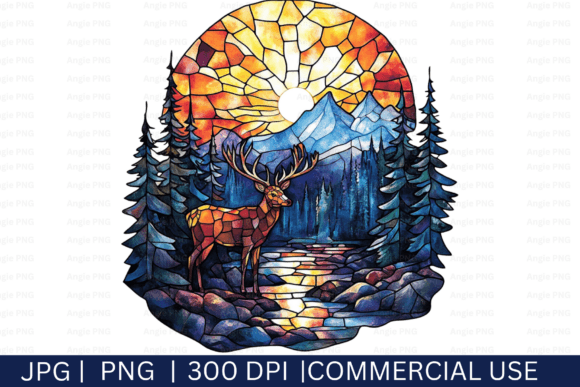
The moment I opened the Stained Glass Deer PNG Clipart, I was struck by its ethereal quality. The deer is rendered in a stained glass style—geometric patterns, vibrant simulated colors, and clear separation between elements give it a modern yet timeless feel. It conveys a sense of elegance and whimsy, making it ideal for projects where you want something eye-catching but not overly complicated.
Visually, the deer feels like a piece of fine art. Its symmetry and clean lines suggest it could work well as a central motif in larger designs or as a standalone element. The transparent background in the PNG file allows for easy placement over mockups or other graphics, which is especially helpful when creating printable mockups or previewing your handmade product before stitching.
Real-Life Use Case: Custom Embroidered Tote Bag
To test this design, I tried using it for a custom embroidered tote bag—a popular item among crafters, Etsy sellers, and small shop owners. The deer measured around 8 inches tall after resizing, fitting comfortably within a standard hoop size. On medium-weight cotton canvas, the image came out beautifully with a mix of satin stitch and fill stitch areas.
What stood out was how the patterned glass effect held up under stitching. Each segment stitched cleanly, maintaining the illusion of color separation. Customers would likely find this design appealing for holiday gifts or boutique-style items. It has that kind of charm—something you’d gift at a fall market or use in a nursery decor line.
Visual Appeal vs. Stitch Clarity
While the design looks stunning in digital form, some parts may require careful attention during stitching. For example, the corners where the deer’s antlers meet the body are filled with tight geometric shapes. These can be tricky if the stabilizer isn’t properly applied or if the fabric is too thin or stretchy.
I recommend testing the design on scrap fabric first, especially if you're planning to use it on a custom apparel item like a sweatshirt or cap. Look closely at how the thread colors interact and whether the stitch density holds up without puckering or distorting the shape.
Where This Design Shines
- Custom Apparel: Perfect for sweatshirts, t-shirts, or even denim jackets. The deer’s large scale and graphic style make it a standout feature.
- Baby & Holiday Projects: The elegant silhouette works well in baby embroidery or holiday embroidery pieces, especially if paired with soft pastels or autumnal hues.
- Embroidered Patches: With the right settings, this design can become a beautiful patch for backpacks, hats, or jackets. The white background JPG version is great for traditional applique methods.
- Decorative Accents: Consider using the deer as a border element or repeating it subtly across a pillow cover or tea towel. It adds a touch of sophistication without overwhelming the piece.
- Printable Mockups: As a digital embroidery file, it integrates seamlessly into mockup templates for digital product previews, helping you sell finished goods online more effectively.
Use with Caution: Practical Limitations
Despite its beauty, the Stained Glass Deer PNG Clipart does have limitations. Here are a few things to keep in mind before applying it to your next project:
- Small Hoop Sizes: The deer is quite detailed, so scaling it down might cause loss of clarity. If you plan to embroider on a cap or small patch, consider simplifying the design or using only key sections.
- Textured or Stretchy Fabrics: The design’s fine lines and intricate fill areas don’t adapt well to fabrics with texture or stretch. Stick to stable materials like quilting cotton or felt for best results.
- Dense Stitch Areas: Some sections of the deer are densely stitched, which can lead to stiffness or potential damage to delicate fabrics if not stabilized correctly.
- Dark Fabric Backgrounds: While the white background JPG is good for light-colored bases, the design loses some impact on dark fabric unless thread contrast is carefully chosen.
- Curved Surfaces: Embroidering on curved surfaces like caps or sleeves requires adjusting the design layout and possibly breaking it into smaller segments.
Testing Tips for Embroidery Designers
- Always test the design on scrap fabric before final production. This helps catch issues with stitch flow or distortion early.
- Check how thread color contrast affects the overall appearance. Sometimes what looks good on screen doesn’t pop on fabric as expected.
- Review stitch density in tight corners and high-detail areas. Adjust if necessary to prevent puckering or excessive tension.
- Confirm the hoop size needed. Since no exact dimensions are provided beyond resolution (300 dpi), you’ll need to calculate based on your machine’s capabilities and desired scale.
- Inspect small details like the deer’s facial features or the inner panes of the “glass.” These might need extra care depending on your intended use.
- Try a black and white mockup to see how the design performs without color. This is especially useful for monochrome embroidery or tonal prints.
- Compare the design on both light and dark fabric backgrounds. This helps determine visibility and adjust thread choices accordingly.
- Ensure proper stabilizer use, particularly for lightweight or stretchy materials. Without it, the deer may lose its crispness.
- Double-check licensing terms if you plan to use this in commercial embroidery or digital product sales. Always confirm usage rights before selling finished items.
Design Impact on Product Value and Branding
This deer design brings a level of professionalism and artistic flair that can significantly enhance the perceived value of your handmade product. Whether it's part of a seasonal collection or a signature logo for a small shop product, it contributes to brand consistency and product recognition.
For creative entrepreneurs, using this design in finished products can boost buyer engagement. The deer’s unique aesthetic makes it memorable and giftable, which is essential for personalized gifts or holiday gifts. That said, the same complexity that makes it visually appealing could also affect production time and cost—if used on multiple garments or in bulk, factor in additional labor for setup and adjustments.
Final Thoughts for Crafters and Etsy Sellers
The Stained Glass Deer PNG Clipart is a versatile and attractive option for those looking to add a touch of elegance to their embroidery project. Its graphic style and detail-rich composition suit a wide range of applications—from apparel decorators to handmade shop owners.
However, like all machine embroidery designs, it demands thoughtful preparation. Take the time to understand how it interacts with different fabrics, thread colors, and stitch types. This will help you avoid common pitfalls and ensure the final product meets customer expectations.
If you’re considering using this design for commercial embroidery or as part of a design asset library, remember to verify the license agreement. Transparency is key for building customer trust and avoiding legal complications later on.
In summary, the Stained Glass Deer is a strong candidate for craft business items and digital product sellers aiming to create something special. Just approach it with a bit of strategy and patience—it’s worth the effort for the right project.